
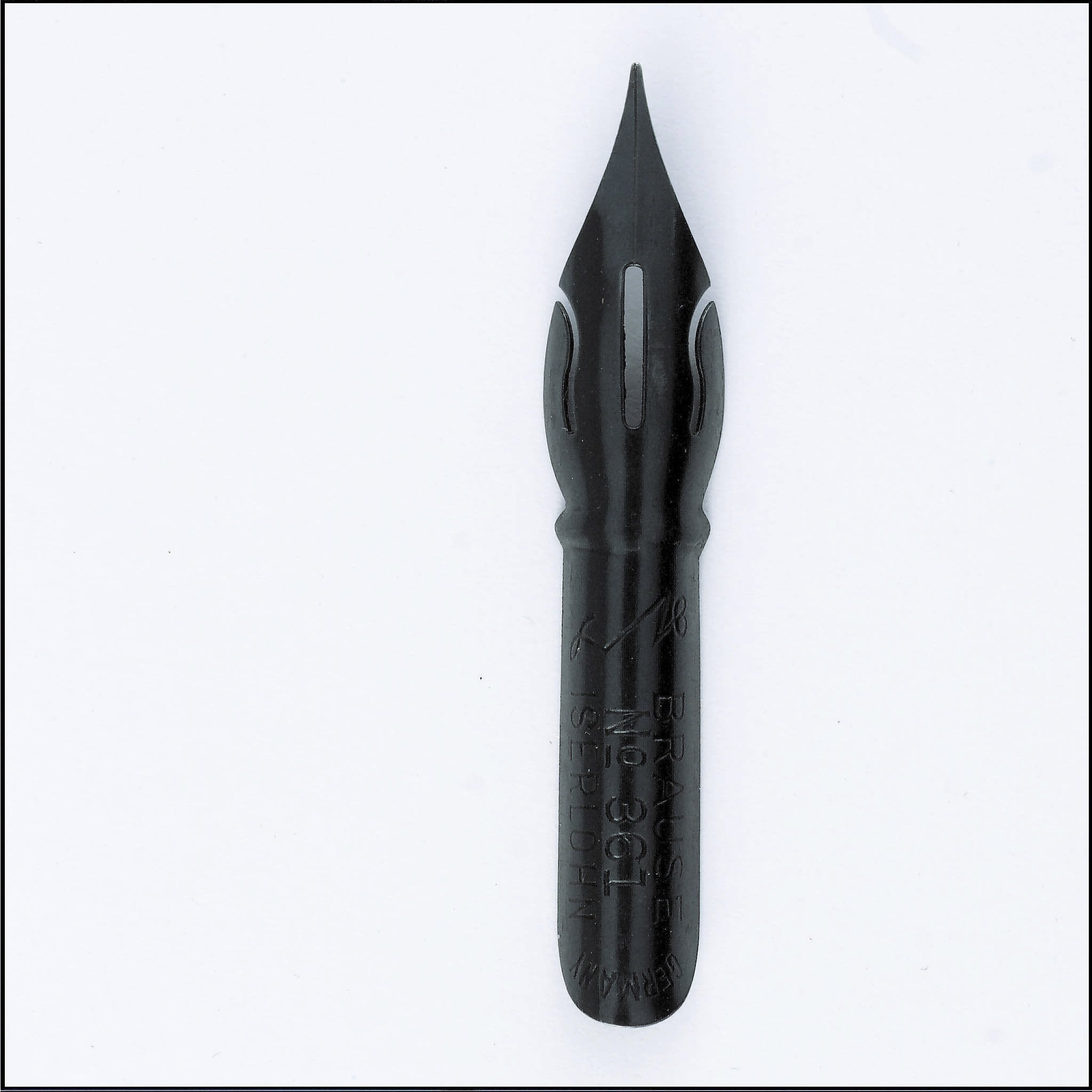




Punta caligráfica Brause Steno (paquete de 1)
Proveedor: Proveedor:
Brause
Haz tu pedido en la próxima [hora] para recibirlo entre y
Pago seguro garantizado
Punta caligráfica Brause Steno (paquete de 1)
- La punta Steno es conocida popularmente como "calabaza azul" por su color azul y su forma. Punta corta, punta muy fina, muy elástica y con gran capacidad de tinta. Trazo fino con flujo de tinta perfecto.
- Punta muy fina, muy elástica.
- Paquete de 1
Muchos calígrafos consideran que las puntas de acero Brause están entre las mejores del mercado. Fabricadas en Alemania.
Frequently Asked Questions
What size line does the Brause Steno nib produce?
The Steno nib produces a thin line with a very fine point. It's designed for detailed, precise work and is popular for calligraphy, bullet journaling, and fine line drawing.
Is this nib compatible with standard fountain pens?
The Brause Steno is a steel nib—check your pen's nib holder compatibility before purchasing. It's commonly used in dedicated calligraphy pen holders and some fountain pens, but not all models accept standard interchangeable nibs.
How much ink does the Steno nib hold?
The Steno nib has high ink capacity, which means you can write longer without refilling compared to smaller nibs. Exact capacity depends on your pen holder setup.
Why is it called the 'Blue Pumpkin'?
The Steno nib earned this nickname because of its distinctive blue color and rounded, pumpkin-like shape. It's a recognizable design among calligraphers.
Are Brause nibs made in Germany?
Yes, Brause steel nibs are manufactured in Germany and are widely considered among the best calligraphy nibs on the market.
What makes this nib highly elastic?
The steel construction allows the nib to flex slightly under pressure, creating line variation while maintaining control—this elasticity is ideal for calligraphy and expressive writing styles.


